How Fake Investment Apps Operate and 5 Ways to Spot Them Quickly Guide
I’ve tracked financial fraud for over a decade, and I’ve watched the playbook evolve from sloppy phishing emails to multi-million-dollar tech startups. The scariest part? Today’s digital scams don’t look like scams. They look like Silicon Valley darlings. They feature sleek dark-mode interfaces, silky-smooth micro-animations, and customer support agents who use emojis and reply within seconds. But behind that polished veneer sits a boiler room of professional manipulators whose only job is to drain your bank account. Here is the ugly truth about how these platforms function—and how to protect your hard-earned cash before you hit deposit.
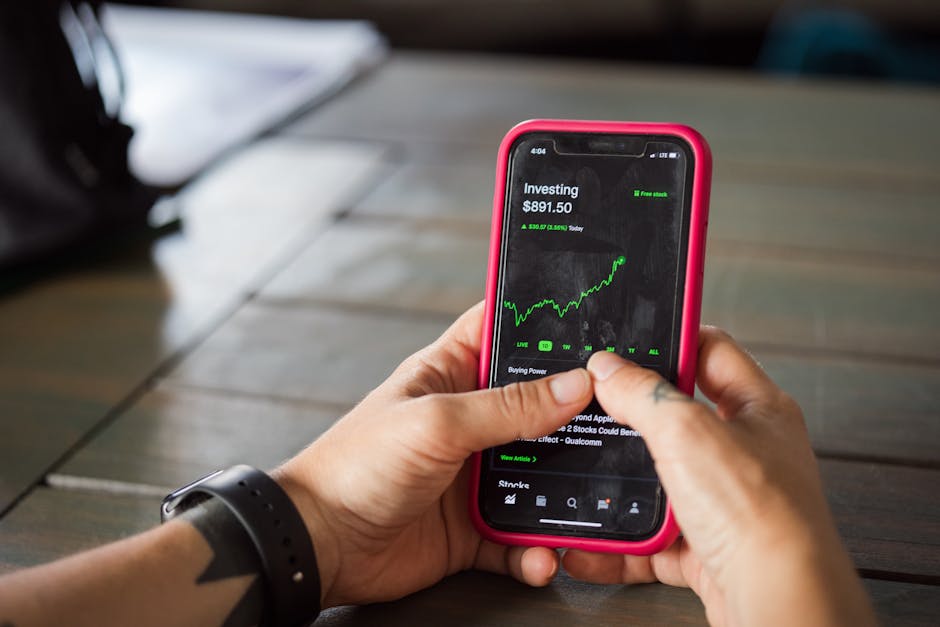
- • The Anatomy of a Digital Confidence Trick: How Fake Trading Platforms Work
- • 5 Ways to Spot a Fake Investment App Quickly
- ↳ 1. Unrealistic Guaranteed Returns (The "Risk-Free" Mirage)
- ↳ 2. Bizarre Deposit Methods and Crypto-Only Funding
- ↳ 3. Sideloaded Apps and Missing App Store Listings
- ↳ 4. The Withdrawal Tax or "Verification Fee" Nightmare
- ↳ 5. Ghost Towns in Regulatory Registries
- • What to Do If You've Already Been Scammed
- ↳ Can fake investment apps look identical to real ones?
- ↳ Why do scammers let you withdraw small amounts at first?
- ↳ Are cryptocurrency investment apps riskier than stock apps?
- ↳ How can I verify if an investment app is legally registered?
Key Takeaways & Quick Overview
AI Verified
- ✔How fake investment apps operate and 5 ways to spot them quickly guide i’ve tracked financial fraud for over a decade, and i’ve watched the playbook evolve from sloppy phishing emails to multi-million-dollar tech startups.
- ✔The scariest part? today’s digital scams don’t look like scams.
- ✔They look like silicon valley darlings.
- ✔They feature sleek dark-mode interfaces, silky-smooth micro-animations, and customer support agents who use emojis and reply within seconds.
The Anatomy of a Digital Confidence Trick: How Fake Trading Platforms Work
Most victims think they downloaded a bad app from an app store. Sometimes they did. More often, they were lured via LinkedIn, Instagram, or text message by someone posing as a successful trader, romantic interest, or old acquaintance. This is known as “pig butchering”—fattening the victim up with fake returns before slaughtering their finances.
Once you click the link, you aren’t downloading a real trading utility. You are downloading a custom-built web wrapper or a sideloaded APK that connects to a completely centralized, rigged database. Every green candle, every soaring portfolio balance, and every notification saying “Your BTC trade gained 14%” is nothing more than a CSS animation. You aren’t interacting with Wall Street or crypto markets. You are playing a video game where the house controls the score.
When you try to withdraw small amounts early on, the platform might actually pay out. Why? Because it builds absolute, unbreakable trust. They let you take out $500 so you feel confident enough to wire $50,000. That’s the psychological trap. By the time you realize you’re trapped, the customer service chat has gone dark, the website domain has vanished, and your money is filtered through a dozen privacy-focused crypto mixers monitored by international syndicates. According to reports by the FBI Internet Crime Complaint Center, billions are lost to these exact operations annually.
5 Ways to Spot a Fake Investment App Quickly
You don’t need a degree in forensic accounting to catch these fraudsters. You just need to know what questions to ask. Let’s break down the red flags that separate legitimate brokerages from digital snake oil.
1. Unrealistic Guaranteed Returns (The “Risk-Free” Mirage)
Markets don’t offer guarantees. Period. If an app, website, or smooth-talking mentor promises you a steady 2% daily return, 10% weekly growth, or zero-risk cryptocurrency arbitrage, run. Even Warren Buffett doesn’t pull those numbers consistently. Real investing involves volatility, drawdowns, and regulatory warnings. If an app markets itself as a guaranteed path to wealth, you are looking at a Ponzi scheme frontend.
2. Bizarre Deposit Methods and Crypto-Only Funding
Watch how they want your money. Legitimate brokerages accept ACH transfers, wire transfers directly to an established custodial bank account in the firm’s legal name, or major credit cards. Fake investment apps love unconventional funding methods. They’ll ask you to buy crypto on a real exchange (like Coinbase or Kraken) and transfer it to an obscure wallet address, or they’ll direct you to use obscure peer-to-peer payment apps, gift cards, or wire money to third-party shell companies with unrelated names. Always cross-reference guidance against FINRA investor alerts to verify proper entity naming conventions.
3. Sideloaded Apps and Missing App Store Listings
Apple and Google have strict security requirements. While malicious apps occasionally slip through the cracks, professional scammers prefer to bypass official app stores entirely. If a support agent sends you a direct link to download an Android APK file, tells you to install a “enterprise certificate” on your iPhone, or has you add a shortcut to your home screen from a sketchy web domain, stop immediately. Real financial institutions live in the App Store and Google Play.
4. The Withdrawal Tax or “Verification Fee” Nightmare
Here is the ultimate giveaway. You’ve accumulated $80,000 in your account and decide to cash out. Suddenly, your withdrawal is frozen. Customer support tells you that to release your funds, you must pay a 15% “capital gains tax,” a “gas fee,” or an “anti-money laundering verification deposit” out of pocket. Real brokers never make you send more money to withdraw your own balance. They simply deduct fees directly from your available withdrawal amount. If they demand fresh cash upfront, your money is already gone.
5. Ghost Towns in Regulatory Registries
Every legitimate financial service provider must be registered with regulatory bodies depending on their jurisdiction—such as the SEC or FINRA in the United States, the FCA in the UK, or ASIC in Australia. Scammers love to use fake company names, steal legitimate corporate registration numbers (a tactic called “clone firms”), or claim they are registered with obscure offshore authorities that hold zero legal weight. Do your homework. Look up the corporate entity name in official government databases before depositing a single cent.
What to Do If You’ve Already Been Scammed
First, take a deep breath. It can happen to anyone, from college students to retired engineers. These syndicates use advanced social engineering techniques that bypass logic. Cut off all communication immediately. Do not argue with the scammers, and do not pay any “recovery fees” to secondary companies promising they can hack your funds back—those are almost always “recovery scams” targeting previous victims.
Report the incident to local law enforcement and file a detailed complaint with federal cybercrime authorities. If you funded the platform via credit card, call your bank instantly to dispute the charges under fraudulent pretenses. If you used cryptocurrency, save every transaction hash, wallet address, and chat screenshot. While recovering stolen crypto is notoriously difficult, blockchain forensics teams sometimes track funds when law enforcement steps in.
Frequently Asked Questions
Can fake investment apps look identical to real ones?
Yes. Scammers routinely clone the UI, logos, and color schemes of legitimate financial institutions. Always check the official URL in your browser and verify the publisher name inside official app stores rather than trusting how the software looks.
Why do scammers let you withdraw small amounts at first?
It’s a psychological manipulation tactic designed to build false confidence. By allowing a small, early withdrawal, they trick your brain into believing the platform is safe, encouraging you to deposit much larger sums later.
Are cryptocurrency investment apps riskier than stock apps?
While both are targeted by fraudsters, decentralized crypto transactions are irreversible, making them the preferred payment method for international cybercriminal networks. Stock brokerages generally have stricter banking rails and regulatory oversight.
How can I verify if an investment app is legally registered?
Search the company name or CRD number on regulatory databases like BrokerCheck (FINRA) or the SEC’s Investment Adviser Public Disclosure (IAPD) website. If they aren’t listed there, do not trust them with your money.